by NFS | Jan 8, 2021 | Archives, Blog Posts
IRS and Treasury continue to work closely with our partners in the tax and financial industry to do everything possible to get the second round of Economic Impact Payments to the American people as quickly as possible.
At this point, over 100 million EIPs have been direct deposited into eligible recipients’ accounts. Some recipients may have had their payment directed to the temporary bank account established when their 2019 tax return was filed. The IRS and tax industry partners are taking immediate steps to redirect stimulus payments to the correct account for those affected. The IRS anticipates many additional taxpayers will receive payments following this effort.
For those taxpayers who checked Get My Payment and received a response indicating a direct deposit was to be sent to an account they do not recognize, the IRS advises them to continue to monitor their bank accounts for deposits.
The IRS emphasizes that the information taxpayers see in the Get My Payment tool, including account numbers and potential deposit dates, may not display an accurate account number as we continue to work through updates. No action is necessary for taxpayers as this work continues; they do not need to call the IRS, their tax provider or their financial institution.
Additional information:
- Direct deposits. For those who have not yet received direct deposits, they should continue to watch their bank accounts for a deposit in coming days. IRS tax industry partners are taking steps to redirect stimulus payments to the correct taxpayer account for as many people as possible. The IRS emphasizes that the information taxpayers see in the Get My Payment tool, including account numbers and potential deposit dates, may continue to display unfamiliar account numbers as the IRS continues to work through and update this issue. No action is necessary for taxpayers as this work continues; they do not need to call the IRS, their tax provider or their financial institution.
- Mail. Some people will receive their second Economic Impact Payment by mail, either as a paper check or in the form of a debit card. For people in this group, the IRS urges people to carefully watch their mail for either of these during January. Additional information is available on IRS.gov.
- Tax returns. While the IRS continues to closely work with our industry partners to quickly deliver more Economic Impact Payments, the IRS reminds eligible taxpayers who don’t receive a payment – or the full amount– that they can claim the Recovery Rebate Credit when they file their 2020 tax return. Taxpayers in this situation are urged to file electronically with direct deposit to ensure their tax refund – and their stimulus payment – reach them as soon as possible.
The IRS appreciates the patience of taxpayers as we work with our industry partners to complete delivery of payments as quickly as possible.
Additional information on Get My Payment
The IRS reassures taxpayers who do not recognize the bank account number displayed in the Get My Payment tool that deposits were not made to the wrong account; this is not an indicator of fraud. If you do not recognize the account number, it may be an issue related to how information is displayed in the tool tied to temporary accounts used for refund loans/banking products. The IRS is working to address this. People do not need to complete Form 14039, Identity Theft Affidavit, or contact the IRS.
by NFS | Jan 7, 2021 | Archives, Blog Posts
WASHINGTON – Starting this week, the Treasury Department and the Internal Revenue Service are sending approximately 8 million second Economic Impact Payments (EIPs) by prepaid debit card.
These EIP Cards follow the millions of payments already made by direct deposit and the ongoing mailing of paper checks that are delivering the second round of Economic Impact Payments as rapidly as possible.
For those who don’t receive a direct deposit, they should watch their mail for either a paper check or a prepaid debit card. To speed delivery of the payments to reach as many people as soon as possible the Treasury’s Bureau of Fiscal Service is sending payments out by prepaid debit card.
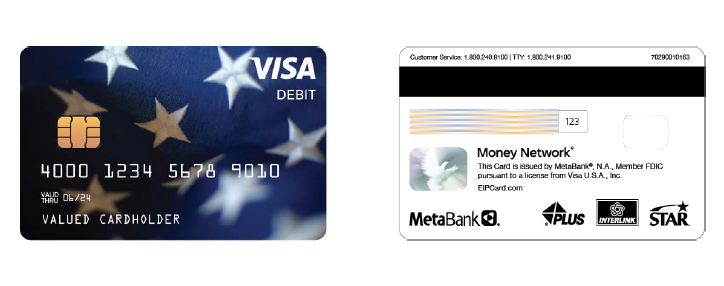
IRS and Treasury urge eligible people who don’t receive a direct deposit to watch their mail carefully during this period. The prepaid debit card, called the Economic Impact Payment card, is sponsored by the Bureau of the Fiscal Service and is issued by Treasury’s financial agent, MetaBank®, N.A. The IRS does not determine who receives a prepaid debit card.
Taxpayers should note that the form of payment for the second mailed EIP may be different than the first mailed EIP. Some people who received a paper check last time might receive a prepaid debit card this time, and some people who received a prepaid debit card last time may receive a paper check.
More information about these cards is available at EIPcard.com.
EIP Cards are safe, convenient and secure. EIP Card recipients can make purchases online or in stores anywhere Visa® Debit Cards are accepted. They can get cash from domestic in-network ATMs, transfer funds to a personal bank account and obtain a replacement EIP Card if needed without incurring any fees. They can also check their card balance online, through a mobile app or by phone without incurring fees. The EIP Card provides consumer protections including certain protections against fraud, loss and other errors.
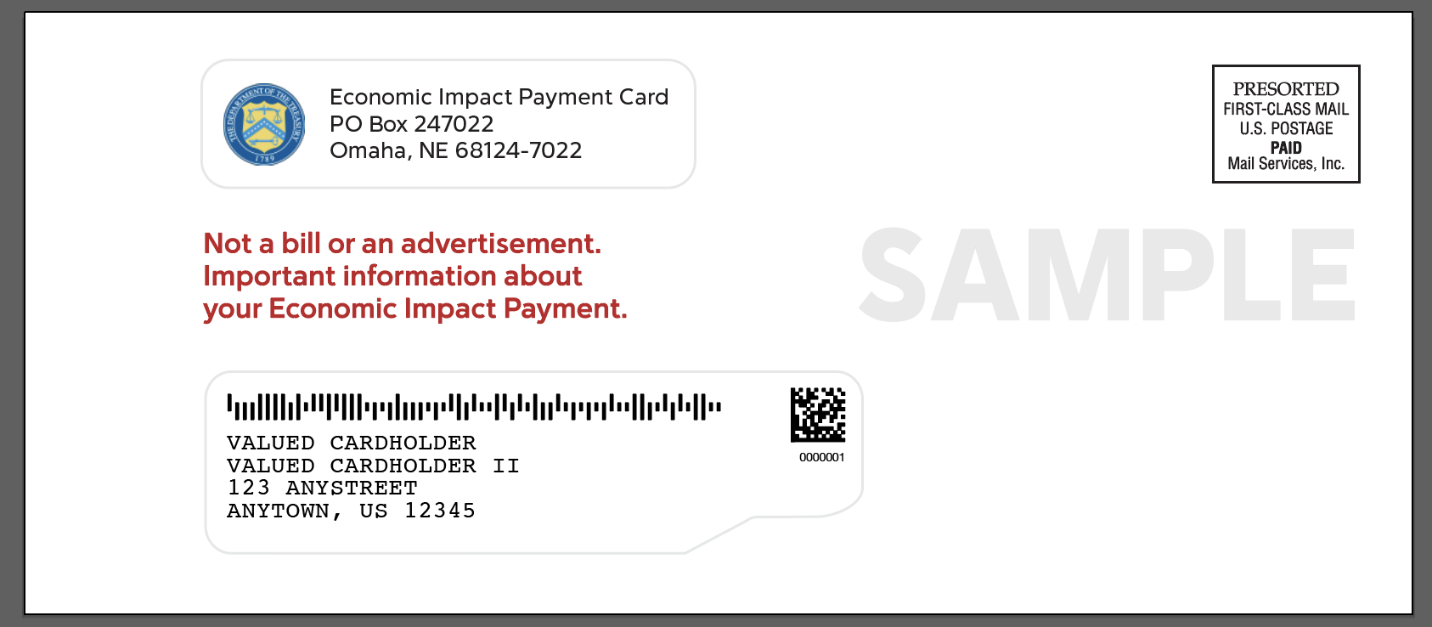
EIP Cards are being sent in a white envelope that prominently displays the U.S. Department of the Treasury seal. The EIP Card has the Visa name on the front of the Card and the issuing bank name, MetaBank®, N.A. on the back of the card. Each mailing will include instructions on how to securely activate and use the EIP Card.
EIP Cards are being issued to eligible recipients across all 50 states and the District of Columbia. Residents of the western part of the United States are generally more likely to receive an EIP Card.
The swift issuance of this second round of payments follows the successful delivery of more than $270 billion in CARES Act Economic Impact Payments earlier this year. To check the status of a payment, visit IRS.gov/GetMyPayment. For more information about Economic Impact Payments visit IRS.gov/EIP.

by NFS | Jan 1, 2021 | Archives, Blog Posts
Minimum Wage Increase – The Massachusetts Department of Labor has increased the state minimum wage to $13.50 per hour and the minimum base wage for tipped employees to $5.55 per hour, effective January 1, 2021.
Premium Pay Decrease – The premium pay for working Sunday, Memorial Day, Juneteenth, Independence Day and Labor Day will be reduced to 1.2 times an employee’s regular rate, also effective January 1, 2021. However, the premium pay for working on New Year’s Day, Columbus Day and Veterans Day will remain at 1.5 times an employee’s regular rate.
Paid Family and Medical Leave (PFML) – The PFML notice has also been revised. The updated notice clarifies that for a worker to qualify as a covered individual under PFML, this worker must also be eligible for unemployment in Massachusetts. The updated notice also outlines certain job protections that do not apply to self-employed individuals.
State law requires all employers to post the Massachusetts Wage & Hour Laws poster in the workplace. Here some options for posters outlining changes in Massachusetts minimum wage through January 1, 2023. If needed, please update your workplace posting accordingly.

by NFS | Jan 1, 2021 | Archives, Blog Posts
Here’s to a Happy, Healthy and Prosperous New Year!
“Always bear in mind that your own resolution to succeed is more important than any other.”
-Abraham Lincoln

by NFS | Dec 31, 2020 | Archives, Blog Posts
If you discover a mistake on your tax return after you’ve already filed, don’t panic. In most cases, all you have to do is file an amended tax return. Here’s what you need to know:
Taxpayers should use Form 1040X, Amended U.S. Individual Income Tax Return, to file an amended (corrected) tax return. An amended tax return should only be filed to correct errors or make changes to your original tax return. For example, you should amend your return if you need to change your filing status or correct your income, deductions, or credits.
Currently, an amended return cannot be e-filed. Taxpayers should be able to file Form 1040-X electronically soon, according to a recent IRS news release, but only for tax year 2019 (Forms 1040 and 1040-SR). In the meantime, you must file the corrected tax return on paper. If you need to file another schedule or form, don’t forget to attach it to the amended return. In general, taxpayers will still have the option to submit a paper version of the Form 1040-X and should follow the instructions for preparing and submitting the paper form.
Taxpayers filing Form 1040X in response to an IRS notice, should mail it to the address shown on the notice.
You normally do not need to file an amended return to correct math errors because the IRS automatically makes those changes for you. Also, do not file an amended return because you forgot to attach tax forms, such as W-2s or schedules. The IRS normally will mail you a request asking for those.
If you are amending more than one tax return, prepare a separate 1040X for each return and mail them to the IRS in separate envelopes. Note the tax year of the return you are amending at the top of Form 1040X. You will find the appropriate IRS address to mail your return to in the Form 1040X instructions.
If you are filing an amended tax return to claim an additional refund, wait until you have received your original tax refund before filing Form 1040X. Amended returns take up to 16 weeks to process. You may cash your original refund check while waiting for the additional refund.
If you owe additional taxes file Form 1040X and pay the tax as soon as possible to minimize interest and penalties on unpaid taxes. You can use IRS Direct Pay to pay your tax directly from your checking or savings account.
Generally, you must file Form 1040X within three years from the date you filed your original tax return or within two years of the date you paid the tax, whichever is later. For example, the last day for most people to file a 2017 claim for a refund is April 15, 2021. Special rules may apply to certain claims. Please call the office if you would like more information about this topic.
You can track the status of your amended tax return for the current year three weeks after you file. You can also check the status of amended returns for up to three prior years. To use the “Where’s My Amended Return” tool on the IRS website, just enter your taxpayer identification number (usually your Social Security number), date of birth, and zip code. If you have filed amended returns for more than one year, you can select each year individually to check the status of each.
Don’t hesitate to call if you need assistance filing an amended return or have any questions about Form 1040X.